Reflections on Attending ICTXVII International Congress of Toxicology
Published:
I was delighted to attend the ICTXVII International Congress of Toxicology (ICT2025), which was an incredibly meaningful academic experience. At this conference, I met many outstanding scholars and peers, and gained valuable learning and networking opportunities.
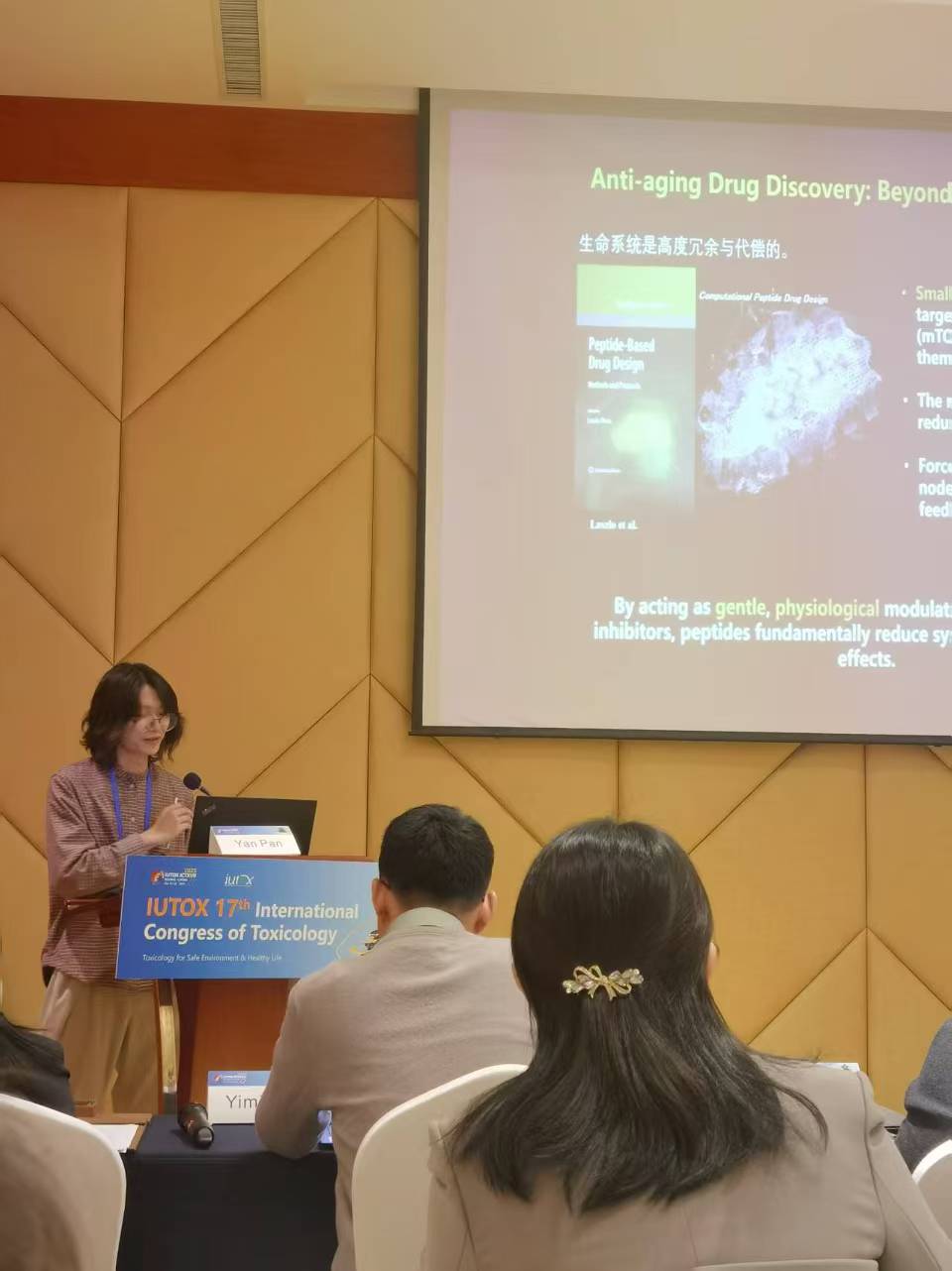
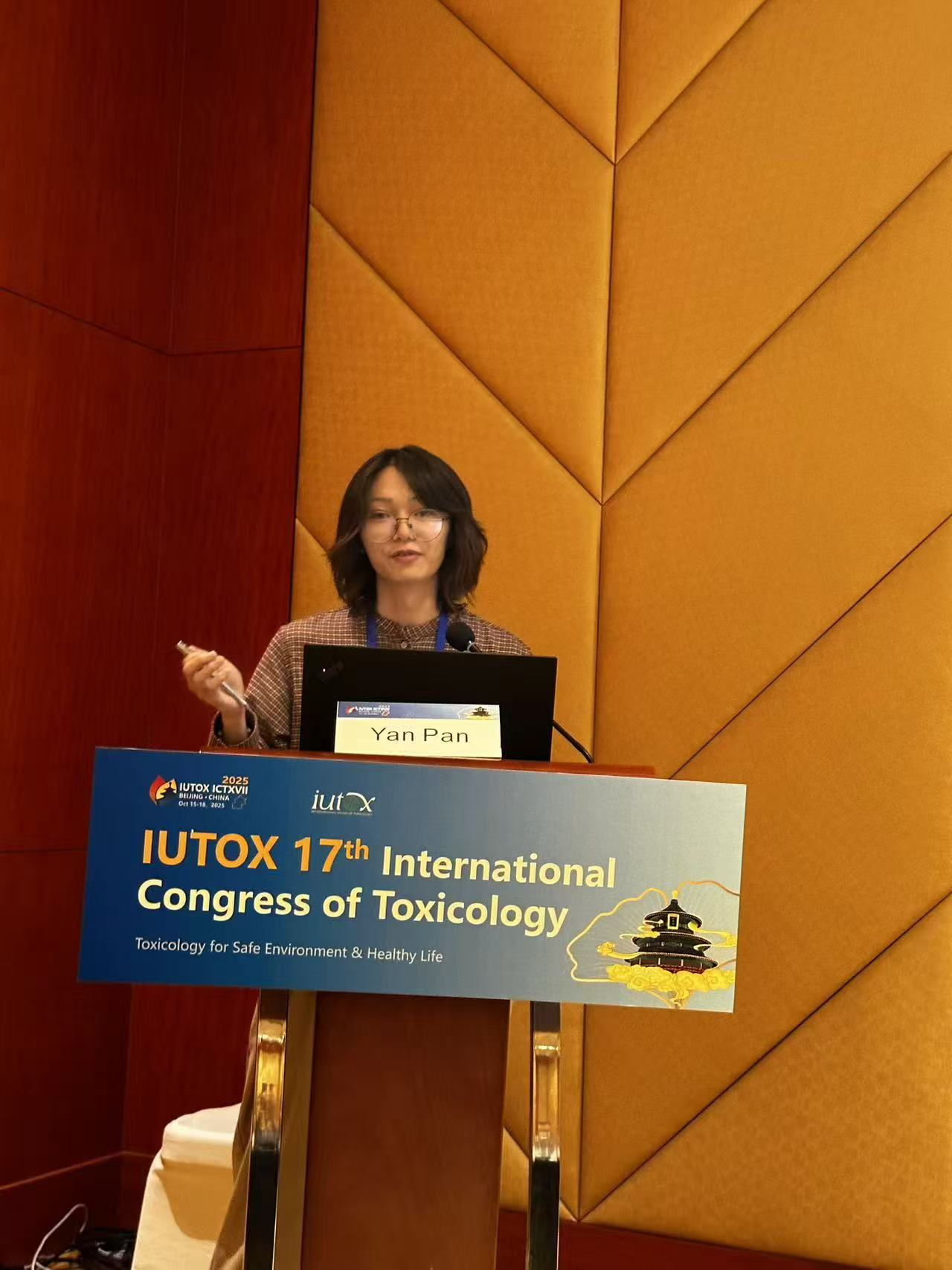
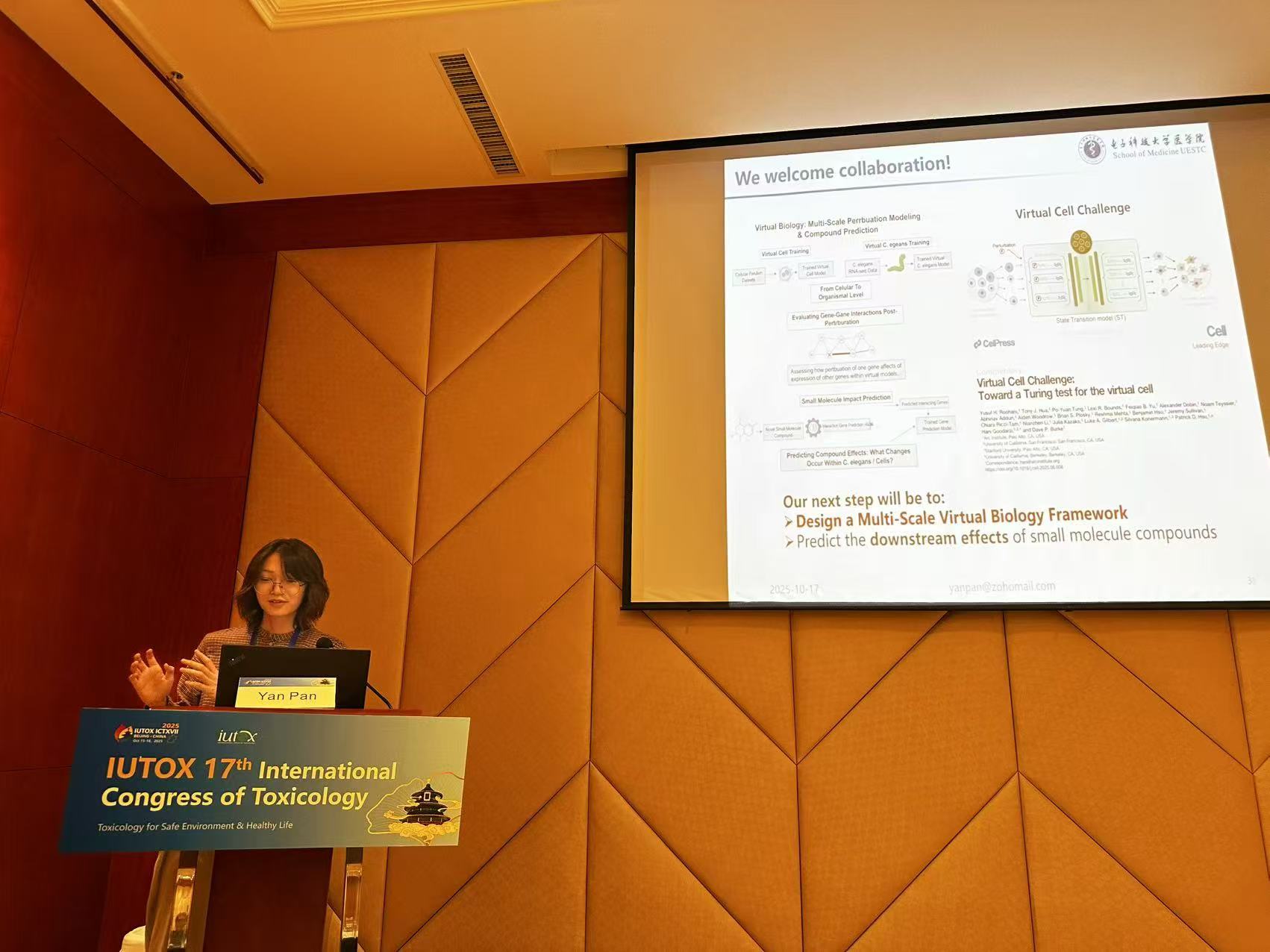
My Oral Presentation
At this conference, I had the privilege of delivering an oral presentation titled “Safety by Design for Anti-aging Peptides De Novo Design.” This presentation showcased my recent research work in anti-aging peptide design, particularly how to integrate safety considerations into the de novo design process of peptides.
Through this presentation, I not only shared my research findings but also received valuable suggestions and feedback from experts in different fields. These insights will be of great significance for guiding my future research work.
Conference Photos
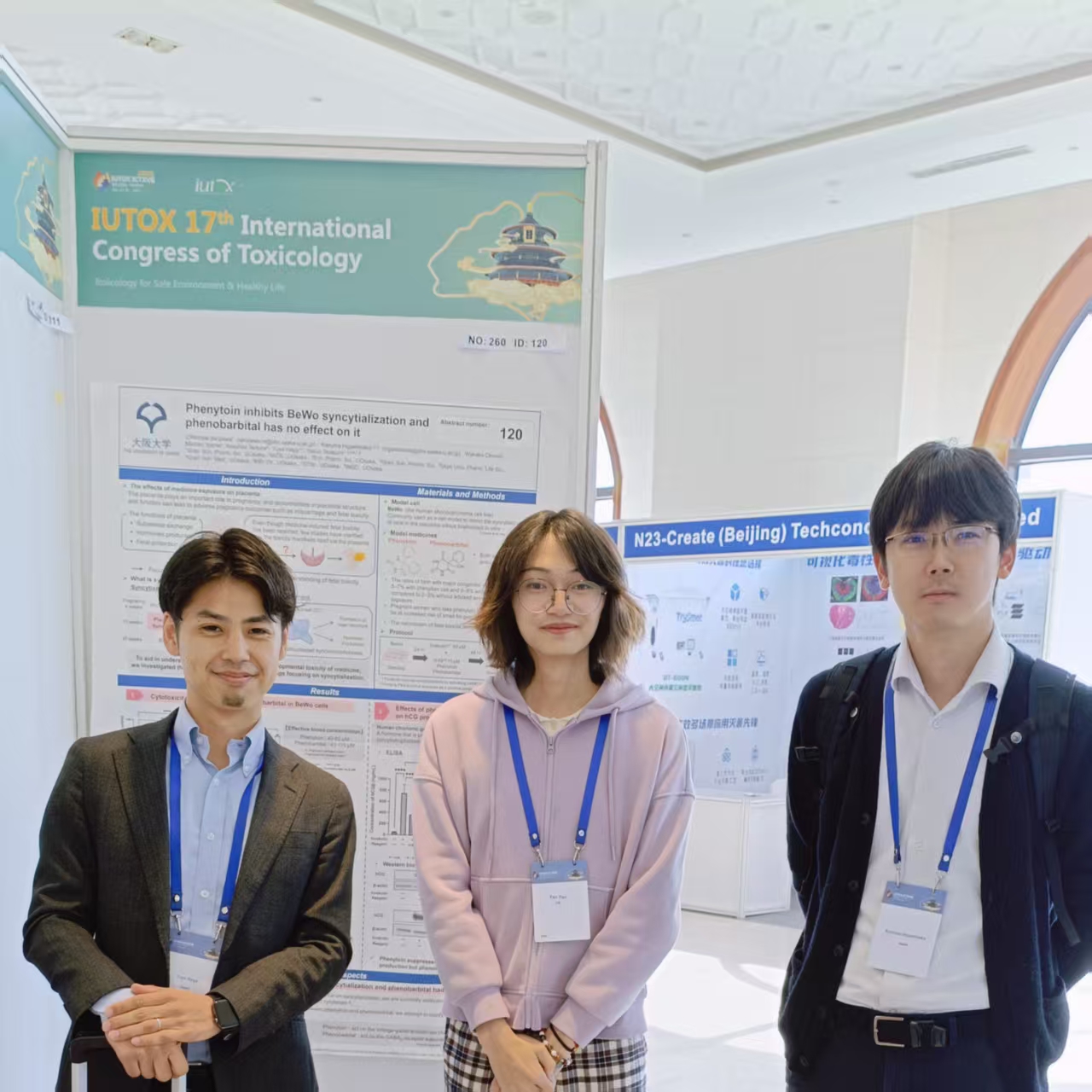
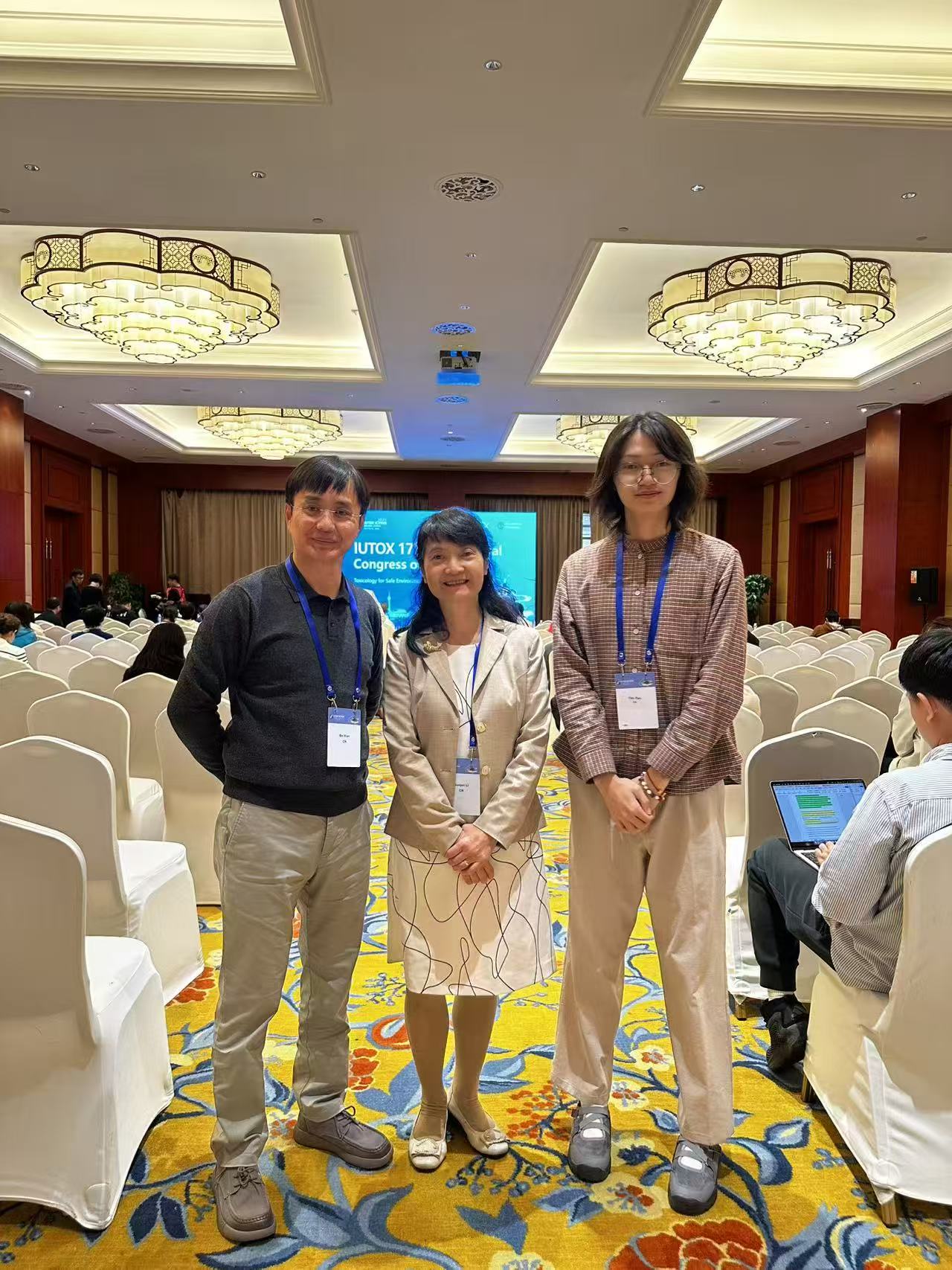
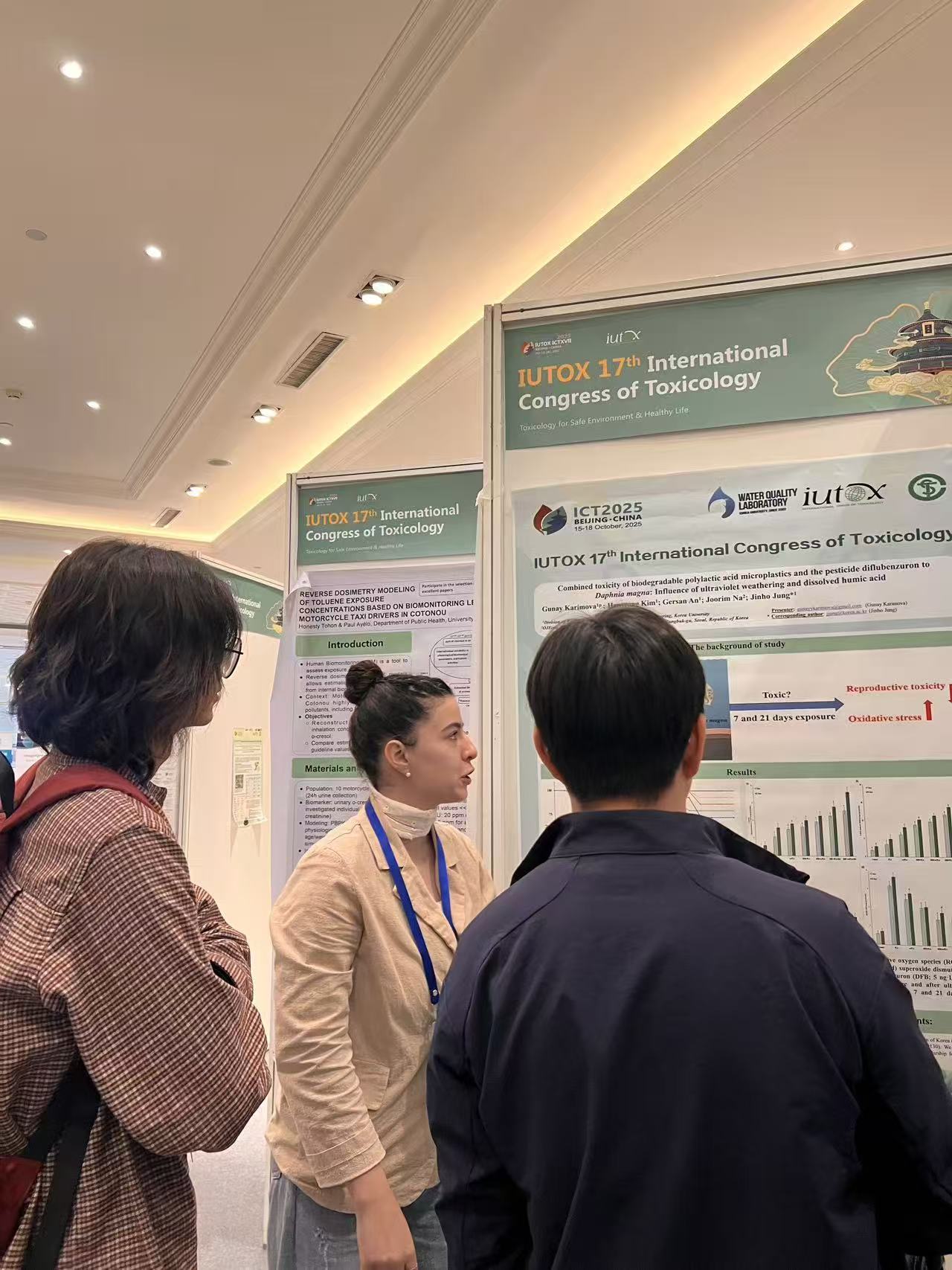
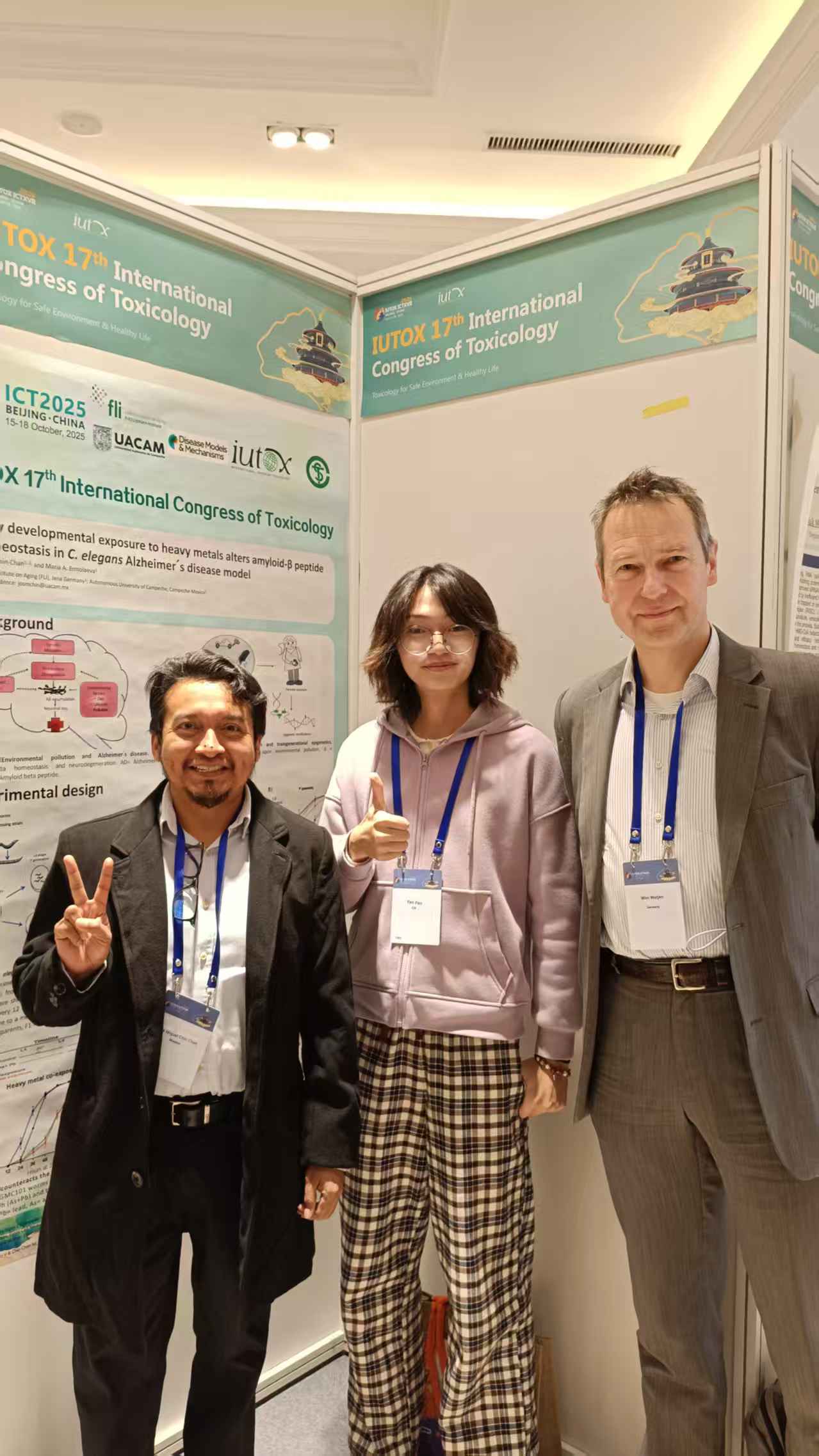
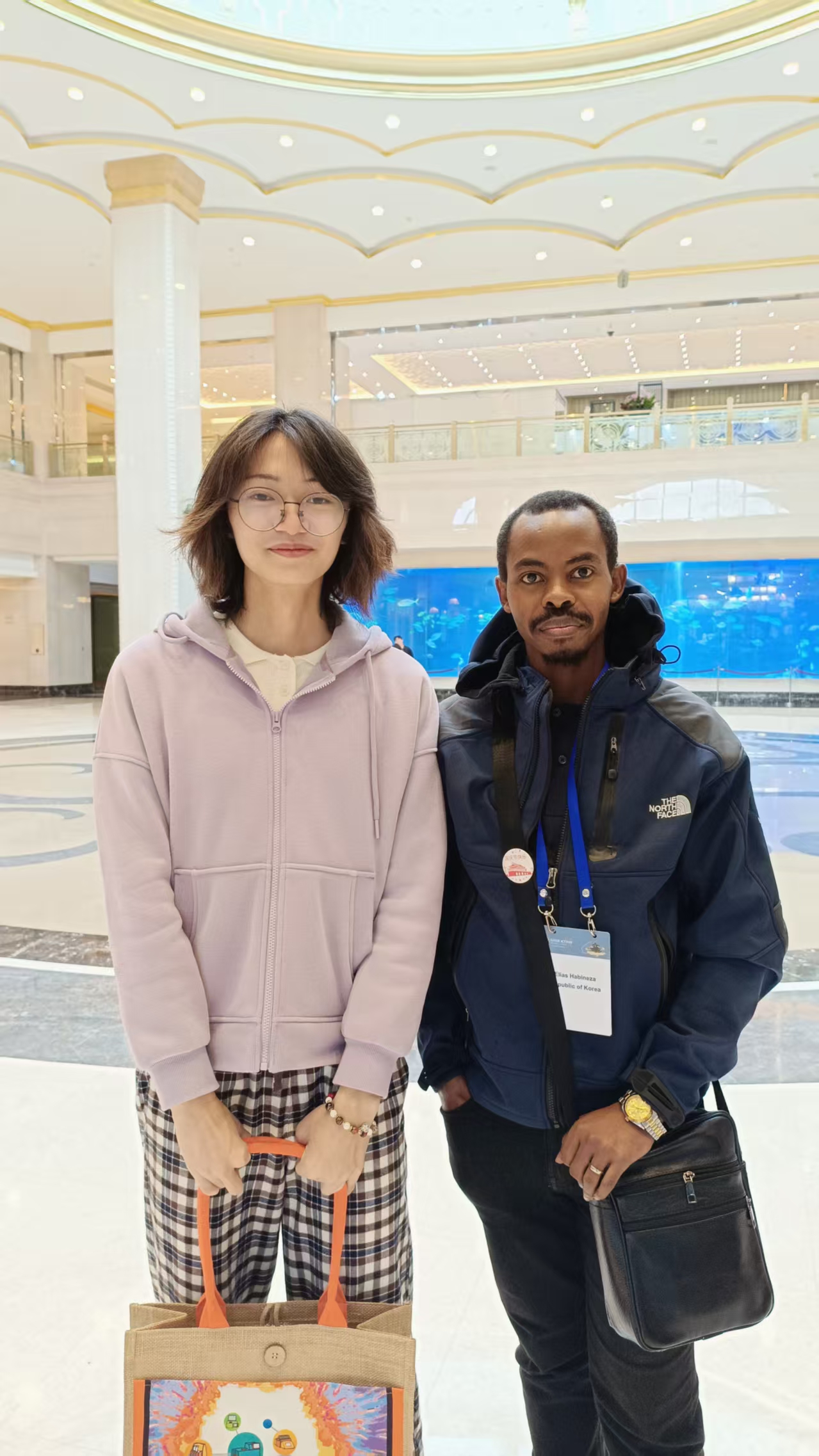
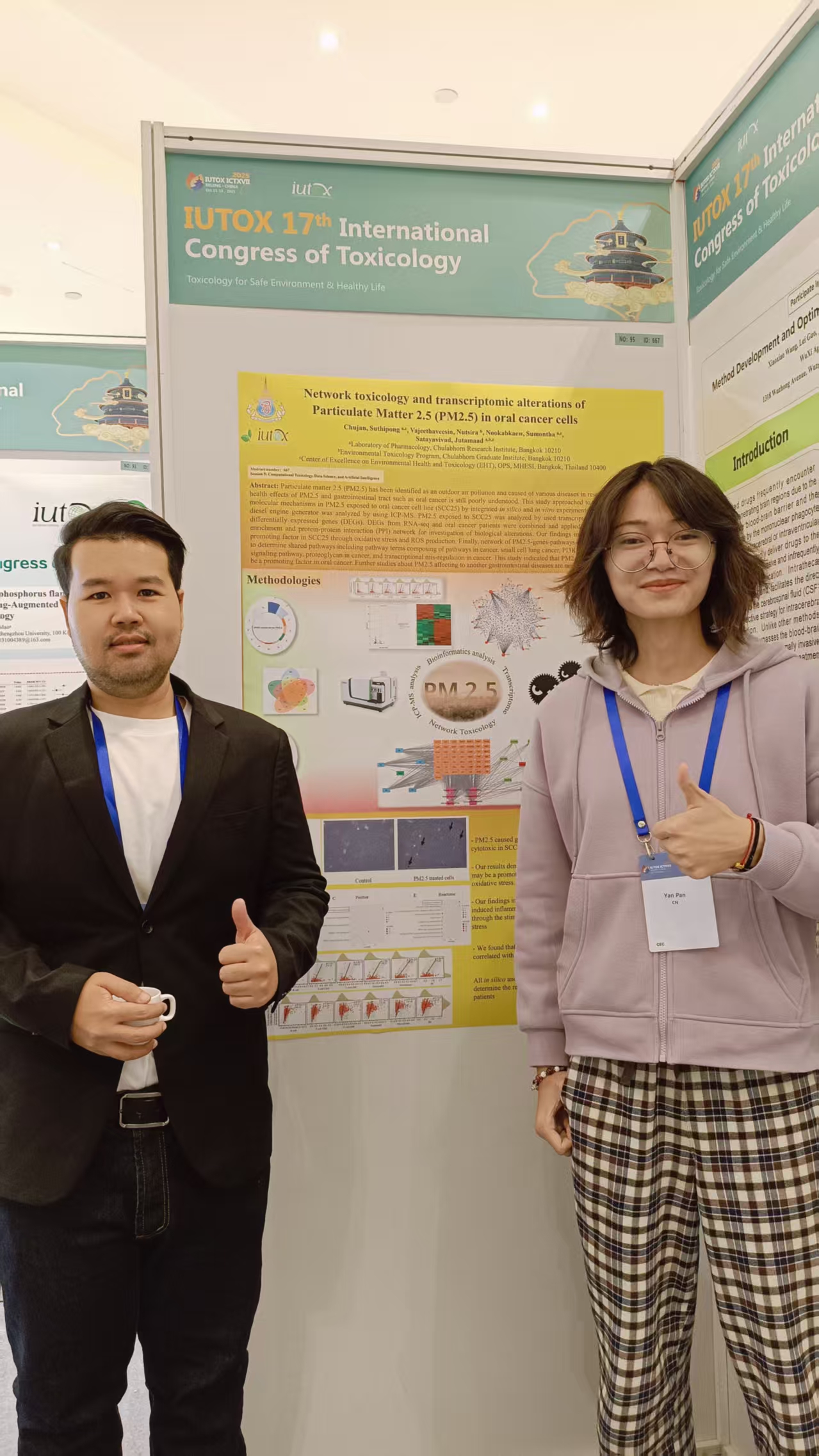
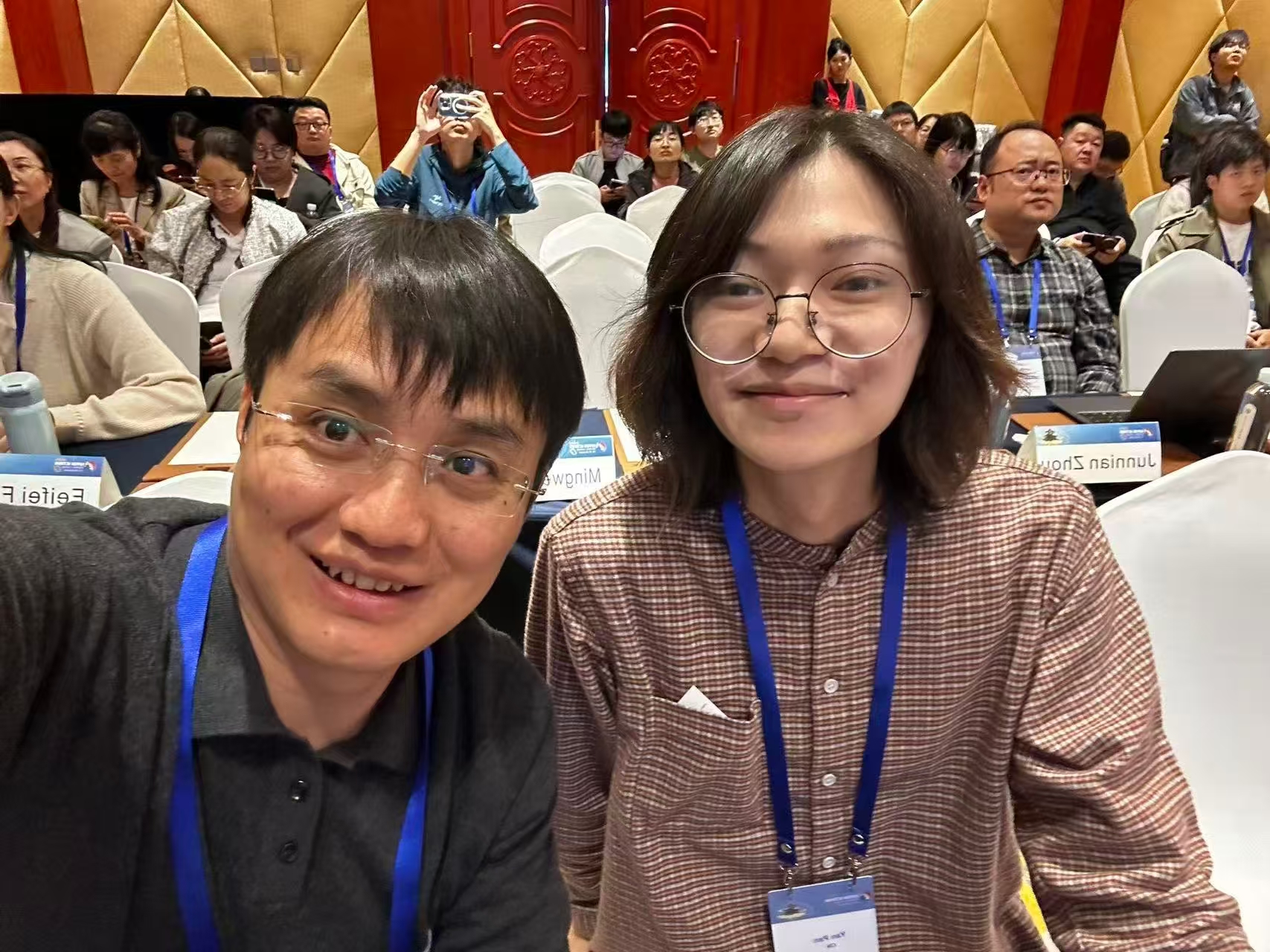
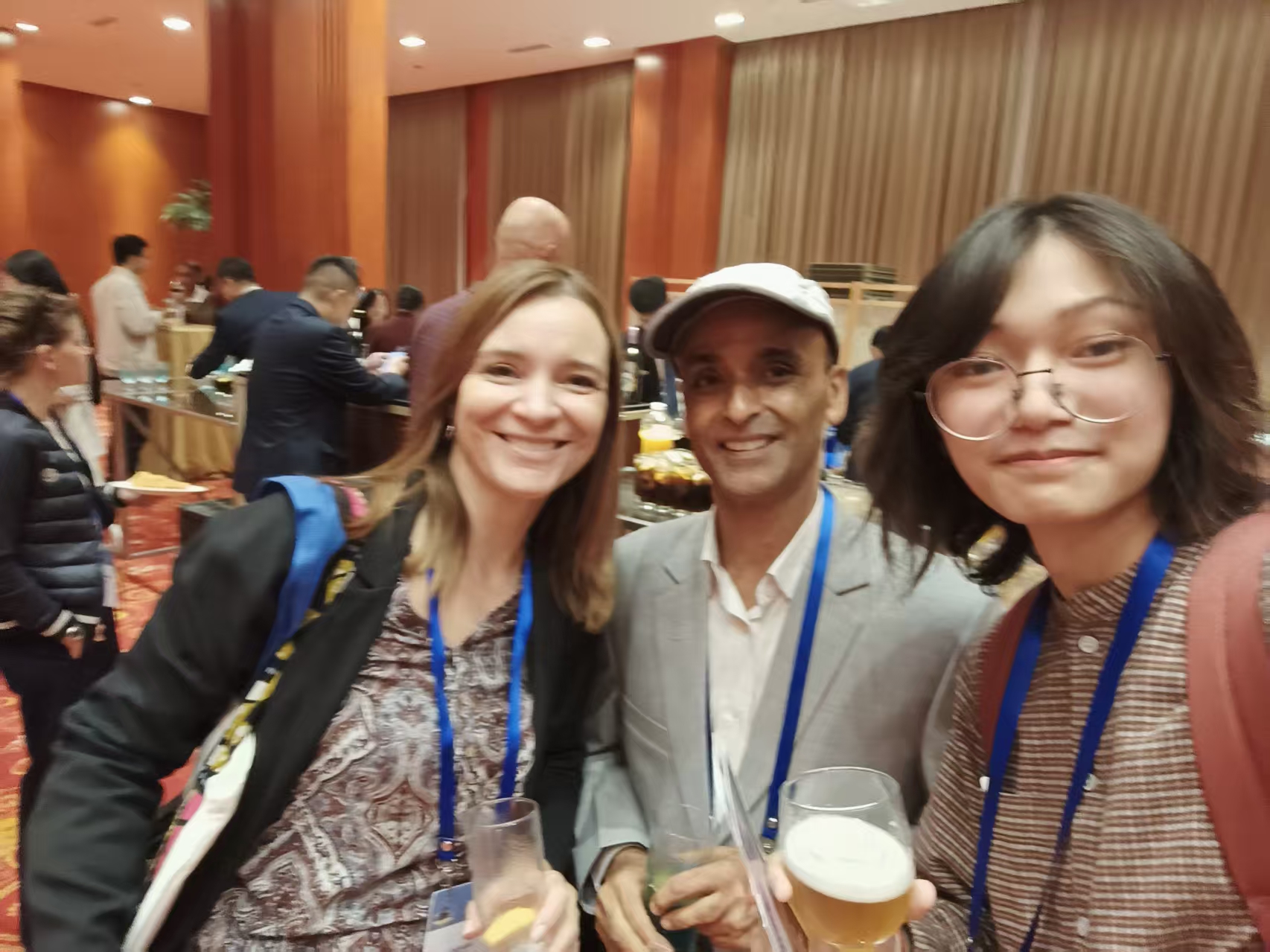
Here are some memorable moments from the conference:

Academic Exchange and Insights
As a newcomer to the field of toxicology, this conference gave me a deep appreciation for the broad prospects and infinite possibilities of this field. I met many senior professors and PhD students whose research approaches and methodologies provided me with great inspiration.
Through exchanges with scholars from different research backgrounds, I learned about the latest development trends in toxicology research and saw the potential of emerging interdisciplinary fields such as computational toxicology and molecular toxicology. These exchanges not only broadened my academic horizons but also provided new ideas for my future research directions.
Reflections on Synthetic Biology, Toxicity Assessment, and Policy Development
One of the most thought-provoking discussions at the conference centered on the intersection of synthetic biology, toxicity assessment, and policy development. As synthetic biology continues to advance at an unprecedented pace, creating novel organisms and products with engineered functions, the traditional frameworks for toxicity evaluation face significant challenges.
The current regulatory landscape often struggles to keep pace with the rapid innovation in synthetic biology. Many synthetic biology products are designed with specific functions that may not have natural analogs, making it difficult to apply conventional toxicity assessment methods. This gap between innovation and regulation raises critical questions about how we can develop more adaptive and predictive toxicity assessment frameworks.
I believe that the integration of computational toxicology, machine learning, and high-throughput screening technologies can play a crucial role in bridging this gap. By developing predictive models that can assess potential toxicity early in the design phase—what I refer to as “Safety by Design”—we can not only accelerate the development of safe synthetic biology products but also provide regulators with more reliable data for decision-making.
Furthermore, the policy development process needs to become more interdisciplinary, involving not only toxicologists and regulators but also synthetic biologists, ethicists, and stakeholders from various sectors. This collaborative approach can help create policies that are both scientifically sound and practically implementable, ensuring that the benefits of synthetic biology can be realized while minimizing potential risks.